
Core Traits of Calcium Carbide Smelting & Electrode Paste’s Role
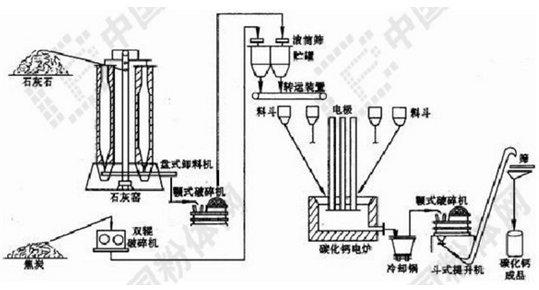
Calcium carbide smelting is a high-temperature reaction in closed furnaces, using quicklime and coke under extreme conditions (1800-2200℃, high current). Electrode paste acts as a “conductive bridge” and “high-temperature corrosion barrier,” with three key roles:
- Conduct strong current to supply continuous heat for the reaction;
- Resist high-temperature scouring and slag erosion to protect electrodes;
- Form a dense conductive layer after sintering, maintaining electrode stability and avoiding production shutdowns from breakage.
Calcium carbide smelting’s high current density (3-5 A/cm²), strong thermal shock, and high corrosion demand strict performance from electrode paste: high-temperature resistance, conductive stability, and corrosion resistance.
2. Electrode Paste Selection for Calcium Carbide Smelting
Selection directly impacts efficiency, energy use, and safety—follow the “three-matching” principle:
- Furnace Type & Power: Large closed furnaces (≥25,500 kVA) need high-quality paste (high conductivity, density, thermal shock resistance); small/medium furnaces use adaptive mid-high-end products to avoid performance waste or shortage.
- Raw Materials & Conditions: High-impurity raw materials or acidic slag require corrosion-resistant paste; unstable production load needs paste with good thermal stability and bonding strength (prevents cracking).
- Cost & Benefit: High-quality paste has a slightly higher initial cost but reduces electrode consumption and shutdowns, cutting overall costs. Avoid “prioritizing price over performance.”
3. Electrode Paste Usage Precautions
- Storage: Keep in dry, ventilated, rainproof warehouses (avoid moisture caking, which causes uneven conductivity); stack ≤2 meters high (prevent deformation).
- Adding: Use “small, frequent, even” additions—≤1/3 of electrode cylinder volume each time (ensures tight fit with electrode core); no one-time large additions (avoids overheating/electrode explosion).
- Sintering:
- New furnaces or electrode replacements: Slow heating (≤50℃/h) for gradual sintering and dense conductive layer;
- Normal production: Maintain stable furnace temperature (avoid thermal shock cracking of sintered layers).
- Daily Monitoring:
- Track electrode consumption (normal: 1-3 mm/h); check paste quality or furnace conditions if too fast;
- Watch for electrode cracks, chipping, or reddening—adjust additions or smelting parameters timely;
- Keep paste column height at 1.2-1.5 meters (ensures sintering pressure, avoids lower overheating).
- Safety: Wear high-temperature protective gear; keep flammables away from the adding area.
4. Tanlin Electrode Paste: Ideal for Calcium Carbide Smelting
Tailored to extreme smelting conditions, Tanlin stands out with key advantages:
- Heat & Corrosion Resistance: Made of high-purity graphite and anthracite, withstanding ≥2300℃; added corrosion inhibitor reduces wear by 30% vs. ordinary paste (extends electrode life).
- Conductivity & Stability: 85%+ graphite (15-20% higher conductivity than industry avg.), cutting calcium carbide energy use by 5-8 kWh/t; low thermal expansion resists shock (no sintered layer cracking).
- Density & Bonding: ≤8% porosity (40% lower than ordinary paste); high-purity coal tar pitch binder prevents loosening (fewer shutdowns).
- Cost-Efficiency: 20-25% lower unit consumption; 3-5 fewer annual electrode replacements; 3-5% higher daily output (achieves “low consumption, high output”).
- Eco-Friendly: Strictly controls impurities (sulfur ≤2%, phosphorus ≤0.05%); no toxic fumes or dust (meets emission standards).
Efficient calcium carbide smelting relies on well-matched high-quality electrode paste. Tanlin’s “heat-resistant, corrosion-resistant, high-conductivity, low-consumption” advantages solve common paste issues (cracking, fast wear) and boost competitiveness. Choose Tanlin for an efficient, stable, economical, and eco-friendly smelting solution!