
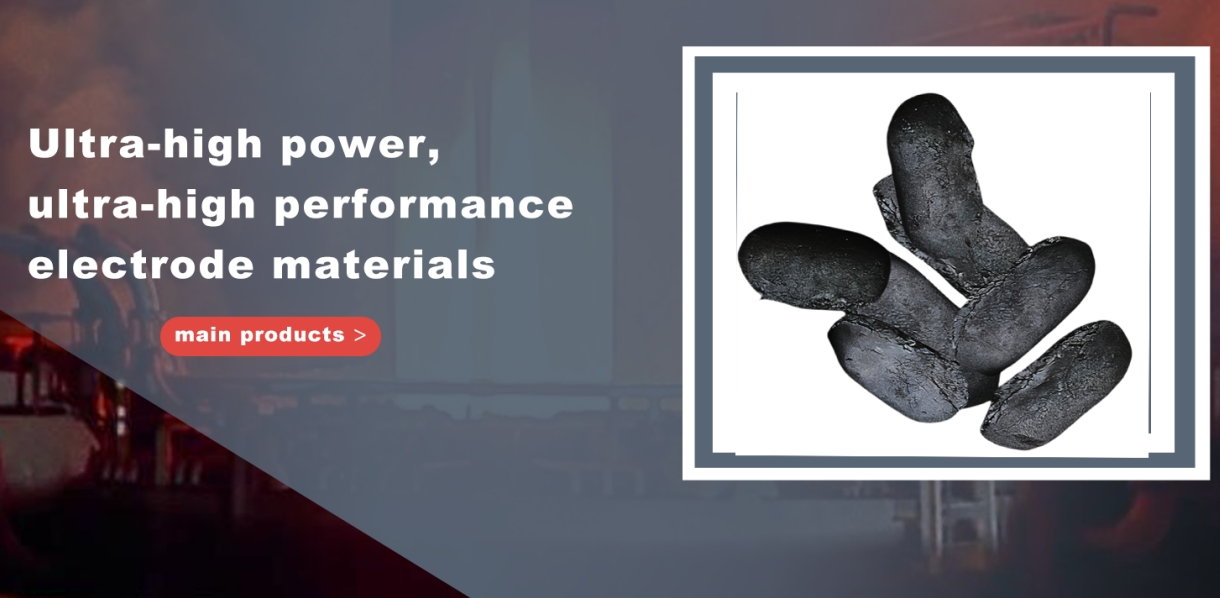
Information Required for Purchasing Tanlin Electrode Paste and Reasons Therefor
When purchasing Tanlin electrode paste, the information to be provided can be divided into six categories: furnace parameters, electrical parameters, data parameters, process parameters, electrode shell parameters, and basic customer information. These materials are the core basis for Tanlin’s technical team to customize suitable electrode paste for customers. The specific content and reasons for providing them are as follows:
I. List of Information to Be Provided
- Furnace Parameter Table
- Smelting products (specify the type of metal or alloy produced);
- Current usage of electrode paste (to facilitate comparison and optimization);
- Furnace type (such as 6 options including high hood closed furnace, open furnace, etc.);
- Conductivity mode (such as 3 options including combined holder, pressure ring copper tile clamping, etc.).
- Electrical Parameters
- Rated capacity of electric furnace transformer, primary/secondary voltage/current, current density, etc.;
- Number of electrode transformers, number of transformer tap positions, etc.
- Data Parameters
- Electrode diameter, polar circle diameter, furnace hearth diameter/depth, paste column height, etc.;
- Number of paste feeding batches per 24 hours, number/width of copper bushes, height/number of furnace hoods, etc.
- Process Parameters
- Ambient temperature for electrode paste use, surface temperature, working end length of electrode;
- 24 – hour electrode pressing and releasing amount, pressing and releasing time/length/method, presence or absence of wind control system, etc.
- Electrode Shell Parameter List
- Material of electrode shell and rib plate, thickness/diameter of electrode shell;
- Number of ribs, thickness of ribs, etc.
- Basic Customer Information
- Company name, filer and position, contact information (email, WhatsApp, etc.).
II. Reasons for Providing These Materials
Electrode paste is a core consumable in electric furnace smelting. Its performance (such as conductivity, sintering speed, compressive strength, etc.) needs to be completely matched with the customer’s equipment working conditions and process conditions. Otherwise, it may lead to problems such as excessive electrode consumption, fracture, poor conductivity, affecting production efficiency and even causing safety risks. The specific reasons are as follows:
- Adapting to Equipment Structure and Type
- The type of furnace (such as closed furnace/open furnace) directly affects the oxidation resistance and thermal stability of the electrode paste: open furnaces exposed to the air require electrode paste to have stronger oxidation resistance; closed furnaces have higher internal temperatures, requiring higher heat resistance.
- The conductivity mode (such as combined holder, copper tile clamping type) determines the conductive path and contact resistance of the electrode paste, and its conductive performance needs to be matched to reduce energy loss.
- Matching Electrical System Load
- Parameters such as transformer capacity, voltage, and current density determine the heating intensity of the electrode: when the current density is too high, the electrode paste needs to sinter faster to withstand high temperatures; otherwise, the sintering speed needs to be adjusted to avoid excessive consumption.
- Electrode diameter, polar circle diameter, etc. are related to current distribution, and it is necessary to ensure that the conductivity of the electrode paste is compatible with the electrode size to avoid local overheating.
- Adapting to Process Operating Conditions
- The height of the paste column and the 24 – hour pressing and releasing amount reflect the consumption speed of the electrode paste: a large pressing and releasing amount requires the electrode paste to have a faster sintering speed to ensure electrode strength; a low pressing and releasing frequency requires controlling the sintering rhythm to avoid premature hardening.
- Ambient temperature and surface temperature affect the softening and sintering process of the electrode paste: in high – temperature environments, the composition needs to be adjusted to delay softening, and in low – temperature environments, the formula needs to be optimized to ensure smooth sintering.
- Ensuring Compatibility with Electrode Shell
- The material, thickness, and rib structure of the electrode shell affect the bonding strength between the electrode paste and the shell: if the electrode shell is thin, the electrode paste needs to have a moderate expansion rate to avoid cracking the shell; the number/thickness of ribs affects heat transfer, and the thermal conductivity of the electrode paste needs to be matched.
- Facilitating Subsequent Services and Communication
- Basic customer information is the basis for establishing long – term communication, facilitating the technical team to follow up the usage and provide after – sales support (such as parameter adjustment suggestions, problem troubleshooting, etc.).
In summary, this information can help Tanlin fully grasp the customer’s equipment characteristics, process requirements, and operating environment, so as to produce “tailor – made” electrode paste, maximize compatibility and production efficiency, and reduce production problems caused by mismatched consumables.
Tanlin Carbon in China mainly engages in the production of carbon electrode paste, sealed paste, soderberg paste, graphite electrodes and other carbon products.
Contact number: +86 13849093757
WhatsAPP: 13849093757
Website: www.tanlincarbon.com
Email: tanlin@tanlincarbon.com