
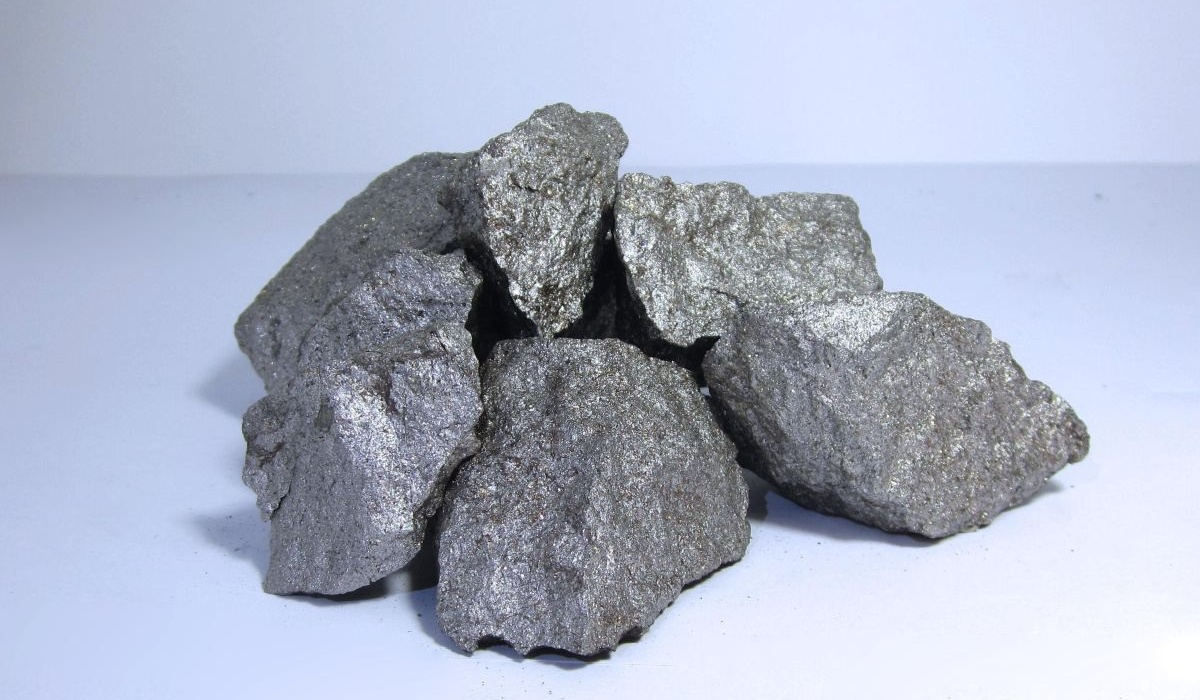
Selection Method of Electrode Paste in Ferromanganese-Silicon Production and Advantages of High-Quality Electrode Paste (e.g., Tanlin)
I. Key Points for Selecting Electrode Paste in Ferromanganese-Silicon Production
In ferromanganese-silicon smelting scenarios, the selection of electrode paste should be comprehensively judged based on actual production needs and core product characteristics, focusing on furnace working conditions, key performance of electrode paste, and molding adaptability:
1. Matching Furnace Working Conditions and Electrode Load
The selection of electrode paste should first be compatible with furnace scale and operating load. For large-scale furnaces, due to the higher current and load carried by the electrodes, it is necessary to select electrode paste types with more suitable softening characteristics to ensure stable forming and operation of electrodes under high load. For small-scale furnaces with relatively low load, electrode paste with a slightly higher softening point can be chosen to avoid performance fluctuations caused by excessive softening.
2. Focusing on Core Physical and Chemical Properties
- Ash Content: Priority should be given to electrode paste with low ash content. Ash is an impurity component, and excessive content will directly aggravate electrode consumption during use, may also affect the conductivity and sintering quality of electrodes, and increase production energy consumption and costs.
- Volatile Matter: The content of volatile matter needs to be within a reasonable range. Excessively high volatile matter can easily lead to longitudinal cracks in the electrode during sintering due to the rapid escape of gas, affecting electrode strength. Excessively low volatile matter will slow down the electrode sintering speed, making it difficult to match the electrode consumption rate and resulting in unstable electrode length.
- Bulk Density and Porosity: Electrode paste with high bulk density and moderate porosity is better. Higher bulk density means a denser electrode structure, which can improve conductivity and oxidation resistance. Excessively high porosity will increase the contact area between the electrode and air, accelerating oxidation consumption. Excessively low porosity may lead to stress concentration during sintering, resulting in cracks.
- Resistivity and Compressive Strength: Electrode paste with low resistivity can reduce electrical energy loss and improve smelting efficiency. Electrode paste with high compressive strength can withstand mechanical impact and thermal stress during smelting, reducing the occurrence of accidents such as hard and soft breaks of electrodes, especially maintaining good strength stability under high-temperature working conditions.
3. Considering the Rationality of Particle Size Distribution
The particle size distribution of electrode paste will affect its formability and sintering quality. A reasonable particle size ratio (appropriate proportion of coarse, medium, and fine particles) can make the electrode paste fill more densely in the electrode shell, reduce voids, thereby reducing the risk of cracks during roasting shrinkage, and ensuring the uniformity and stability of the electrode structure after sintering.
II. Potential Advantages of High-Quality Electrode Paste (e.g., Tanlin)
Combined with the common characteristics of high-quality electrode paste, if Tanlin electrode paste has advantages in production technology and raw material control, it may exhibit the following characteristics:
1. Lower Consumption
If its ash content is strictly controlled, porosity is reasonable, and oxidation resistance is strong, it can effectively reduce oxidation consumption and impurity loss of the electrode at high temperatures. At the same time, the suitable softening point and volatile matter can make the sintering speed accurately match the electrode consumption rate, avoiding additional loss caused by poor sintering or excessive consumption, thereby reducing the electrode consumption per unit product.
2. Higher Strength
By selecting high-quality raw materials (such as high-purity calcined anthracite, metallurgical coke, etc.) and optimizing batching, kneading, and roasting processes, the electrode paste can form a dense and firmly bonded electrode body after sintering. It can maintain high compressive strength and vibration resistance both at room temperature and under high-temperature smelting conditions, withstand high loads and thermal stress impacts in ferromanganese-silicon smelting, and significantly reduce electrode fractures, block falling, and other faults.
3. Better Sintering Performance
It has a suitable softening point and volatile matter release rate, enabling smooth sintering in the electrode shell. During the sintering process, gas escapes evenly without obvious cracks, and the sintered electrode core is closely combined with the electrode shell without shell detachment, ensuring that the electrode continuously and stably provides current for smelting and reducing production interruptions caused by electrode problems.
4. More Stable Operation
The low resistivity characteristic can reduce the electrical energy loss of the electrode itself and improve energy utilization efficiency. Stable physical and chemical properties can keep the electrode parameters stable during long-term use, reduce furnace condition fluctuations caused by electrode performance fluctuations, and help improve the quality stability and production continuity of ferromanganese-silicon products.